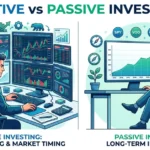


Building your first investment portfolio can feel overwhelming, especially when you’re surrounded by financial jargon, market volatility, and endless advice online. But here’s the truth: you don’t need to be a finance expert to start investing. With the right approach, a clear plan, and a bit of patience, anyone can create a strong investment portfolio that grows over time. Whether your goal is financial freedom, retirement planning, or simply growing your savings, learning how to build your first investment portfolio is one of the most important financial decisions you’ll ever make.
In this guide, we’ll break down everything you need to know in simple terms—so you can start investing with confidence.
What Is an Investment Portfolio?
An investment portfolio is a collection of assets such as stocks, bonds, mutual funds, ETFs, real estate, or even gold. Instead of putting all your money into one investment, you spread it across different types of assets. This helps reduce risk and improve your chances of earning consistent returns.
Why Building an Investment Portfolio Is Important
Creating a diversified investment portfolio is essential for long-term financial success. Here’s why:
- Wealth Creation: Investing helps your money grow faster than traditional savings accounts.
- Risk Management: Diversification reduces the impact of market fluctuations.
- Financial Security: A well-balanced portfolio prepares you for emergencies and future needs.
- Achieving Goals: Whether it’s buying a house or retirement, investing makes goals achievable.
Step 1: Define Your Financial Goals
Before you start investing, you need to know why you’re investing.
Ask yourself:
- Are you saving for retirement?
- Do you want to build wealth over time?
- Are you planning for a big purchase like a home or car?
Your goals will determine your investment strategy. For example:
- Short-term goals (1–3 years): Focus on low-risk investments.
- Medium-term goals (3–7 years): Mix of moderate-risk investments.
- Long-term goals (7+ years): Higher-risk investments for better returns.
Step 2: Understand Your Risk Tolerance
Risk tolerance refers to how much risk you can handle emotionally and financially.
- Low risk: Prefer stable returns, even if they are smaller.
- Moderate risk: Comfortable with some market ups and downs.
- High risk: Willing to take bigger risks for higher returns.
Beginners often start with moderate risk and adjust over time as they gain experience.
Step 3: Choose the Right Asset Allocation
Asset allocation is how you divide your investments among different asset classes.
A simple beginner portfolio might look like:
- 50% Stocks (for growth)
- 30% Bonds (for stability)
- 20% Cash or liquid assets
Common Investment Options:
- Stocks: High growth potential but volatile
- Bonds: Lower risk, steady income
- Mutual Funds: Professionally managed funds
- ETFs (Exchange-Traded Funds): Low-cost and diversified
- Gold: Good hedge against inflation
- Real Estate: Long-term wealth building
Step 4: Start with Low-Cost Investment Options
When building your first portfolio, it’s wise to focus on low-cost investments.
Beginner-Friendly Options:
- Index funds
- ETFs
- Systematic Investment Plans (SIPs)
- Robo-advisors
These options require less expertise and help you diversify easily.
Step 5: Diversify Your Investments
Diversification is one of the most important investment strategies.
Instead of investing all your money in one stock or asset, spread it across:
- Different industries (technology, healthcare, finance)
- Different asset types (stocks, bonds, gold)
- Different geographies (domestic and international markets)
This reduces the risk of losing money if one investment performs poorly.
Step 6: Start Small and Invest Regularly
You don’t need a large amount of money to start investing. Many platforms allow you to begin with small amounts.
Tips:
- Start with what you can afford
- Invest consistently (monthly or quarterly)
- Use SIPs to automate investments
Consistency matters more than timing the market.
Step 7: Focus on Long-Term Investing
One of the biggest mistakes beginners make is trying to make quick profits.
Successful investing is about:
- Staying invested for the long term
- Ignoring short-term market noise
- Letting compounding work in your favor
The longer you stay invested, the greater your potential returns.
Step 8: Rebalance Your Portfolio
Over time, your portfolio may drift from its original allocation.
For example, if stocks perform well, they may take up a larger portion of your portfolio.
Rebalancing means:
- Selling some assets
- Buying others
- Returning to your original allocation
This helps maintain your risk level.
Step 9: Avoid Common Beginner Mistakes
When building your first investment portfolio, avoid these mistakes:
- Putting all money in one asset
- Following market trends blindly
- Panic selling during market crashes
- Ignoring diversification
- Not reviewing your portfolio regularly
Learning from these mistakes can save you time and money.
Step 10: Keep Learning and Improving
The world of investing is always evolving. Stay informed by:
- Reading financial blogs
- Watching educational videos
- Following market trends
- Learning basic financial concepts
The more you learn, the better your investment decisions will be.
Best Investment Portfolio Strategy for Beginners
If you’re just starting, here’s a simple strategy:
- Invest in index funds or ETFs
- Add a mix of bonds for stability
- Include gold or other safe assets
- Invest regularly through SIPs
- Review your portfolio every 6–12 months
This approach keeps things simple while ensuring diversification.
Benefits of Building Your First Investment Portfolio Early
Starting early gives you a huge advantage:
- Compounding Growth: Your money grows faster over time
- Financial Discipline: Builds strong saving habits
- Less Financial Stress: You’re prepared for the future
- More Opportunities: Early investments create more options later
Final Thoughts
Building your first investment portfolio doesn’t have to be complicated. The key is to start early, stay consistent, and focus on long-term growth. You don’t need perfect timing or expert knowledge—just a clear plan and the discipline to stick with it.
Remember, every successful investor started as a beginner. The sooner you begin, the sooner your money starts working for you.
Also read : What is Diversification and Why It’s Important