
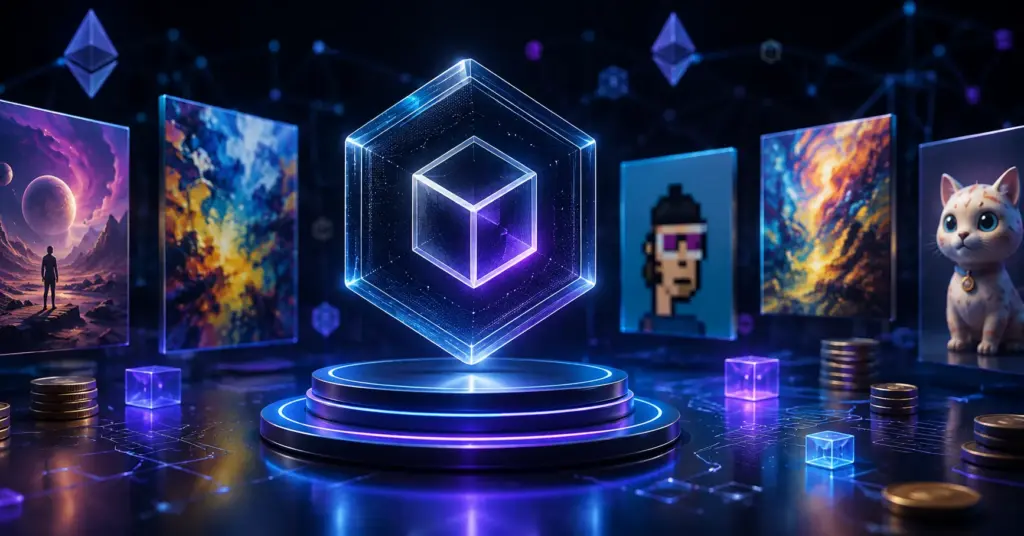
The world of cryptocurrency has introduced many innovations, but few have attracted as much attention as NFTs (Non-Fungible Tokens). From million-dollar digital artwork to virtual real estate and gaming assets, NFTs have changed how people think about digital ownership.
But one question remains for many beginners: What are NFTs and are they investments?
Some people have earned significant profits through NFTs, while others have lost money due to market crashes and declining demand. Understanding how NFTs work, their value, and the risks involved is essential before investing.
In this guide, you’ll learn everything about NFTs, how they work, their advantages, disadvantages, investment potential, and whether they deserve a place in your portfolio.
What Are NFTs?
NFT stands for Non-Fungible Token.
A non-fungible asset is unique and cannot be replaced by another identical item.
For example:
| Asset | Fungible? | Example |
|---|---|---|
| Cash | ✅ Yes | ₹100 can be exchanged for another ₹100 |
| Bitcoin | ✅ Yes | One Bitcoin equals another Bitcoin |
| NFT Artwork | ❌ No | Every NFT has a unique identity |
Unlike cryptocurrencies such as Bitcoin or Ethereum, every NFT has its own digital signature stored on a blockchain.
This proves:
- Ownership
- Authenticity
- Transaction history
- Scarcity
How Do NFTs Work?
NFTs are created using blockchain technology, mainly on:
- Ethereum
- Polygon
- Solana
- BNB Chain
Each NFT contains unique metadata stored permanently on the blockchain.
The blockchain acts like a public digital ledger that records every transaction.
Example
Imagine an artist creates a digital painting.
Instead of simply uploading it online, they mint it as an NFT.
Now anyone can verify:
- Who created it
- Who owns it
- Previous owners
- Selling price history
Types of NFTs
NFTs are used across many industries.
1. Digital Art
Artists sell exclusive digital artwork directly to buyers.
Example:
- Digital illustrations
- AI-generated art
- Photography
2. Collectibles
Similar to trading cards.
Examples include:
- Sports collectibles
- Character cards
- Limited-edition digital items
3. Gaming NFTs
Players can own:
- Weapons
- Characters
- Skins
- Virtual land
These assets can often be traded.
4. Music NFTs
Musicians sell:
- Albums
- Exclusive songs
- Concert access
- Fan memberships
5. Virtual Real Estate
Platforms allow users to purchase virtual land for gaming, advertising, or events.
6. Membership NFTs
Some companies issue NFTs that unlock:
- VIP communities
- Discounts
- Event access
- Premium content
Why Do NFTs Have Value?
People often ask:
“Why would anyone pay thousands of dollars for a digital image?”
The value comes from scarcity, ownership, demand, and community.
Factors affecting NFT value include:
- Creator reputation
- Collection popularity
- Utility
- Rarity
- Market demand
- Community strength
Like collectibles or rare artwork, prices depend on what buyers are willing to pay.
Popular NFT Use Cases
NFTs are now being used beyond digital art.
Examples include:
- Digital certificates
- Event tickets
- Identity verification
- Intellectual property
- Luxury goods authentication
- Gaming assets
- Brand loyalty programs
Businesses continue exploring NFT applications in Web3 ecosystems.
Are NFTs Investments?
The answer is:
Yes—but they are highly speculative investments.
Unlike stocks, bonds, or mutual funds, NFTs don’t generate predictable income.
Their value depends primarily on:
- Buyer demand
- Scarcity
- Creator reputation
- Market trends
Some NFTs have appreciated dramatically, while many others have become nearly worthless.
Benefits of Investing in NFTs
1. Ownership of Unique Assets
Every NFT is one-of-a-kind.
2. High Return Potential
Certain NFT collections have delivered substantial gains during periods of strong market demand.
3. Portfolio Diversification
NFTs represent a different asset class from stocks or traditional investments.
4. Support Creators
Buying NFTs allows artists and creators to monetize their work directly.
5. Blockchain Transparency
Ownership records remain publicly verifiable.
Risks of NFT Investments
NFT investing carries significant risks.
High Volatility
Prices can rise rapidly and fall just as quickly.
Low Liquidity
Some NFTs may take weeks or months to sell.
Scams
Fake collections and phishing attacks are common.
Regulatory Uncertainty
Governments continue developing rules for digital assets.
Market Trends
Many NFT collections lose popularity over time.
NFT Investment Pros and Cons
| Pros | Cons |
|---|---|
| Unique ownership | High risk |
| Potential high returns | Extremely volatile |
| Blockchain security | Difficult to value |
| Creator support | Limited liquidity |
| New technology | Scam risk |
How to Buy NFTs
If you’re interested in buying NFTs, follow these steps:
- Create a crypto wallet.
- Purchase cryptocurrency (often ETH, though supported currencies vary by marketplace).
- Choose a trusted NFT marketplace.
- Connect your wallet.
- Research the NFT collection.
- Purchase the NFT.
- Store it securely.
Always verify the authenticity of the collection before buying.
Tips Before Investing in NFTs
- Never invest money you cannot afford to lose.
- Research the project’s team.
- Check community engagement.
- Understand the NFT’s utility.
- Avoid buying based solely on hype.
- Diversify your investments.
- Watch for fake collections.
- Secure your wallet with strong security practices.
Example of NFT Investing
Imagine two investors.
Investor A
Buys a well-known NFT collection after careful research.
The project gains adoption.
The NFT value increases over time.
Investor B
Buys a trending NFT based only on social media hype.
Interest fades.
The NFT loses most of its value.
This illustrates why research is essential.
NFT Market Statistics
Some notable trends include:
- Billions of dollars in NFT trading volume have been recorded since the market emerged.
- Ethereum has historically been the leading blockchain for NFT activity.
- Gaming and utility NFTs continue to attract growing interest.
- Institutional and enterprise adoption remains selective but continues to evolve.
Market conditions change frequently, so always verify current statistics before making investment decisions.
Who Should Consider NFTs?
NFTs may be suitable for:
- Collectors
- Digital art enthusiasts
- Web3 supporters
- Investors with high risk tolerance
- Gamers interested in blockchain ecosystems
They may not be suitable for investors seeking stable or predictable returns.
Are NFTs Better Than Cryptocurrency?
| NFTs | Cryptocurrency |
|---|---|
| Unique assets | Fungible assets |
| Often lower liquidity | Generally higher liquidity |
| Value based on rarity | Value based on market supply and demand |
| Used for ownership | Used for payments, trading, and decentralized applications |
Both carry investment risks but serve different purposes.
Future of NFTs
NFT technology is expanding beyond collectibles.
Emerging applications include:
- Digital identity
- Real estate records
- Education certificates
- Healthcare records
- Gaming economies
- Intellectual property management
- Brand memberships
- Ticketing systems
As blockchain adoption grows, NFTs may become more integrated into everyday digital experiences.
Internal Linking Suggestions
Consider linking this article to:
- Beginner’s Guide to Blockchain Technology
- Cryptocurrency vs Bitcoin: What’s the Difference?
- What Is Ethereum and How Does It Work?
- Web3 Explained for Beginners
- Best Crypto Wallets for Beginners
- How to Buy Cryptocurrency Safely
- Understanding Smart Contracts
Authoritative External Reference Suggestions
For additional research, reference reputable sources such as:
- Official Ethereum documentation
- OpenSea Learning resources
- CoinMarketCap Academy
- Binance Academy
- World Economic Forum articles on blockchain
- U.S. Securities and Exchange Commission (SEC) investor education resources
Recommended Image Alt Text
- What are NFTs and are they investments infographic
- How NFTs work on blockchain illustration
- NFT buying process step by step
- NFT investment pros and cons chart
- Digital collectibles marketplace example
- Blockchain ownership explained
- NFT vs cryptocurrency comparison
- Beginner guide to NFT investing
Frequently Asked Questions (FAQ)
1. What does NFT stand for?
NFT stands for Non-Fungible Token, a unique digital asset recorded on a blockchain.
2. Can NFTs make money?
Yes, some investors have earned profits by buying and selling NFTs, but many NFTs also lose value. Returns are never guaranteed.
3. Are NFTs safe investments?
NFTs involve significant risks, including volatility, scams, and uncertain future demand. Research and risk management are essential.
4. Do I need cryptocurrency to buy NFTs?
Many NFT marketplaces require cryptocurrency, although some platforms also support purchases using traditional payment methods.
5. Which blockchain is most popular for NFTs?
Ethereum has historically been the largest NFT blockchain, though Polygon, Solana, and BNB Chain also support NFT ecosystems.
6. Can anyone create an NFT?
Yes. Many marketplaces allow creators to mint and sell NFTs with relatively simple tools.
7. Are NFTs only digital art?
No. NFTs are also used for gaming, music, event tickets, memberships, digital identity, and other applications.
Conclusion
NFTs have introduced a new way to prove ownership of digital assets, creating opportunities for artists, gamers, collectors, and businesses. While some NFTs have delivered impressive returns, they remain highly speculative investments with substantial risks.
If you’re considering investing in NFTs, focus on understanding the underlying project, evaluating its utility, researching the community, and only investing funds you’re prepared to lose. As blockchain technology and Web3 continue to evolve, NFTs may play an increasingly important role in the digital economy—but careful research and realistic expectations are essential.
Also read : What Are NFTs and Are They Investments?