
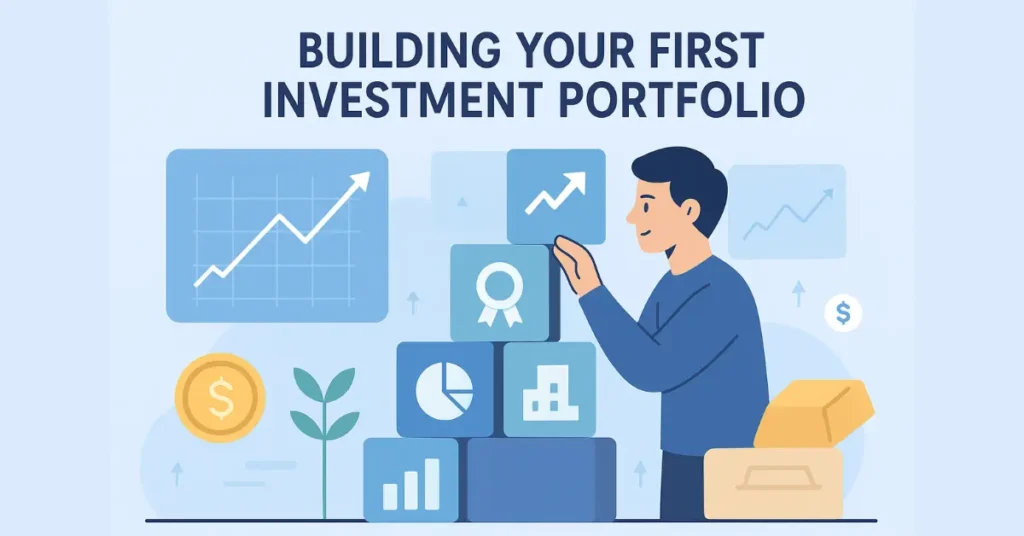
Creating your first investment portfolio is one of the smartest steps you can take toward long-term financial stability. Whether you’re a young professional just starting your financial journey or someone finally ready to take control of your money, building an investment portfolio can help you grow wealth, beat inflation, and secure your future. Many people hesitate to invest because they feel it’s complicated — but with the right approach, anyone can start investing confidently. This guide will walk you through everything you need to know about building your first investment portfolio, even if you have zero experience.
What Is an Investment Portfolio?
An investment portfolio is simply a collection of assets such as stocks, bonds, mutual funds, ETFs, real estate, and sometimes commodities like gold. Your portfolio reflects your financial goals, risk tolerance, and investment strategy. A well-structured portfolio aims to balance growth and safety, ensuring you get steady returns over time while minimizing risk.
Why Building Your First Investment Portfolio Matters
Most people rely only on savings, but the value of money decreases due to inflation. Investing allows your money to grow and work for you. Building your first investment portfolio ensures:
- Long-term financial growth
- Protection against inflation
- Better retirement planning
- Diversification of income sources
- Financial independence
Instead of letting money sit idle, investing helps you expand your wealth steadily and strategically.
Step 1: Define Your Financial Goals
Before building your first investment portfolio, you need clarity on why you are investing. Your goals may include:
- Buying a house
- Funding higher education
- Building a retirement fund
- Creating a passive income source
- Achieving financial freedom
Short-term goals (1–3 years) require safer investments, while long-term goals (5+ years) allow higher-risk, high-return assets like stocks.
Step 2: Understand Your Risk Tolerance
Your risk tolerance determines how much volatility you can handle. Beginners usually fall into three categories:
✔ Conservative Investors
Prefer safer assets like bonds, fixed deposits, index funds, and low-risk mutual funds.
✔ Moderate Investors
Comfortable with a mix of stocks, bonds, and ETFs.
✔ Aggressive Investors
Focus heavily on equities, growth stocks, and high-return mutual funds.
Knowing your risk appetite helps you choose the right investment portfolio structure.
Step 3: Learn About Popular Investment Options
To build a strong investment portfolio, you should understand different types of assets.
1. Stocks (Equity)
Buying stocks means owning a portion of a company. Stocks offer high returns but come with higher risk.
Best for: Long-term growth, aggressive portfolios.
2. Mutual Funds
Mutual funds pool money from many investors and invest in diversified assets.
Popular types:
- Equity Mutual Funds
- Debt Mutual Funds
- Hybrid Funds
- Index Funds
Great for beginners who want professional management and diversification.
3. Exchange-Traded Funds (ETFs)
ETFs work like mutual funds but trade like stocks. They are cheaper and efficient.
4. Bonds
Bonds offer fixed returns with minimal risk. A good option for stable income.
5. Real Estate
Long-term investment suitable for wealth building and passive rental income.
6. Gold or Digital Gold
A safe-haven asset that protects your portfolio during market downturns.
Understanding these helps you build a balanced and diversified investment portfolio.
Step 4: Choose the Right Asset Allocation
Asset allocation is the most important part of building your first investment portfolio. It means deciding what percentage of your money goes into each asset class.
A simple thumb rule is:
Age-Based Rule:
100 – Your Age = Percentage of Portfolio in Stocks
For example:
If you’re 30 → 70% in stocks, 30% in bonds and others.
Sample Asset Allocations
⭐ Conservative Portfolio
- 20% Stocks
- 60% Bonds
- 10% Gold
- 10% Cash or FD
⭐ Moderate Portfolio
- 50% Stocks
- 30% Bonds
- 10% Gold
- 10% Real Estate or ETFs
⭐ Aggressive Portfolio
- 70% Stocks
- 20% Mutual Funds / ETFs
- 10% Gold
Choose the one that suits your goals and risk tolerance.
Step 5: Start Small and Invest Consistently
You don’t need a huge amount to start investing. Even small monthly investments through SIP (Systematic Investment Plans) help build wealth.
Benefits of SIPs include:
- Disciplined investing
- Rupee-cost averaging
- Better long-term returns
- Reduced emotional decision-making
Consistency matters more than big amounts.
Step 6: Diversify Your Portfolio
Diversification is key to managing risk. A diversified investment portfolio spreads your money across different asset classes, sectors, and geographies.
Why Diversification Matters
- Reduces risk
- Protects you from market volatility
- Ensures steady long-term returns
Don’t put all your money into one stock or one sector — spread it smartly.
Step 7: Monitor and Rebalance Your Portfolio
Your portfolio will shift over time as markets move. Rebalancing helps you maintain the original asset allocation.
How to Rebalance
- Review your portfolio every 6–12 months
- If stocks grow from 50% to 70%, sell some and reinvest in bonds or other assets
- Avoid emotional decisions based on fear or greed
Rebalancing keeps your investment portfolio healthy and aligned with your goals.
Step 8: Focus on Long-Term Investing
Short-term market fluctuations can be stressful. But long-term investing helps your money grow steadily through compound interest.
Benefits of Long-Term Investing
- Higher returns
- Less impact from market volatility
- Compounding power
- Better financial security
Patience pays off when building your first investment portfolio.
Common Mistakes Beginners Should Avoid
When building your initial investment portfolio, avoid these beginner mistakes:
- Investing without a plan
- Following random stock tips
- Putting all money into one asset
- Panicking during market dips
- Trying to time the market
- Ignoring fees and taxes
- Not reviewing the portfolio regularly
Avoid these, and your investments will grow more smoothly.
Useful Tips for First-Time Investors
- Use trusted apps and brokers like Zerodha, Groww, or Vanguard (depending on your country).
- Start with index funds or mutual funds if you’re unsure about stocks.
- Keep an emergency fund before investing.
- Increase investments as your income grows.
- Focus on financial education and stay updated.
Conclusion
Building your first investment portfolio may feel overwhelming at first, but it becomes simple once you understand the basics. Start with clear goals, know your risk tolerance, and choose the right mix of assets. Stay consistent, diversify smartly, and focus on long-term growth. Over time, your investment portfolio can become one of your strongest tools for achieving financial freedom.
Also read: How to Read Basic Financial Metrics: P/E Ratio, ROI & CAGR