
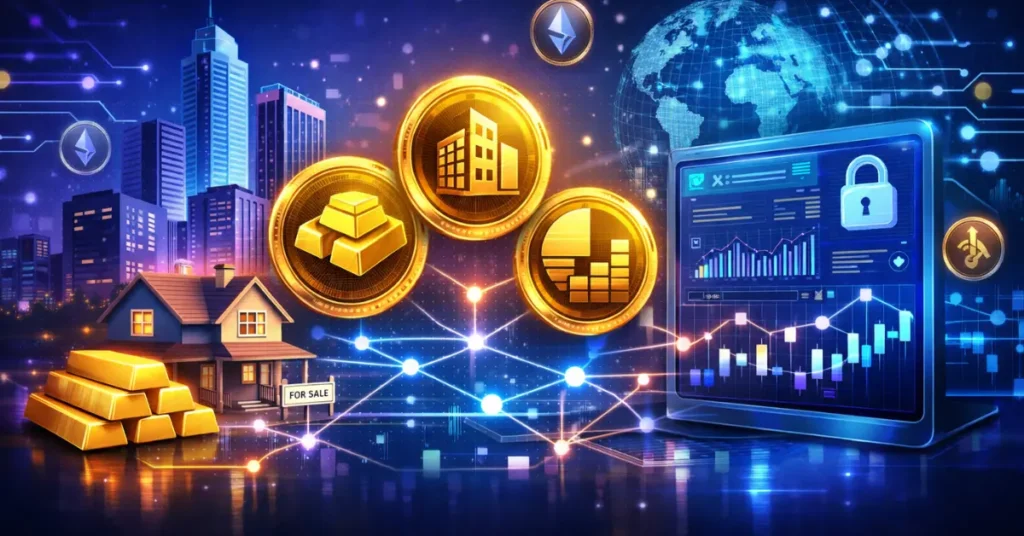
The investment world is changing faster than ever. For decades, investing in assets like real estate, gold, art, and private equity was limited to wealthy individuals and large institutions. These investments required high capital, complex paperwork, and long waiting periods. Today, blockchain technology is breaking these barriers through a powerful innovation called tokenization of real-world assets (RWA). This technology is making traditional investments more accessible, transparent, and efficient. As a result, tokenization is quickly becoming one of the most exciting opportunities in modern finance.
In simple terms, tokenization converts physical or traditional assets into digital tokens on a blockchain. These tokens represent ownership of real assets and can be bought, sold, or traded easily. This opens the door for everyday investors to participate in markets that were once out of reach.
What Is Tokenization of Real-World Assets?
Real-world asset tokenization is the process of creating digital tokens on a blockchain that represent ownership in physical or financial assets. These assets can include:
- Real estate properties
- Gold and precious metals
- Stocks and bonds
- Art and collectibles
- Commodities
- Private equity funds
- Infrastructure projects
Each token represents a share or portion of the asset. This means investors can buy fractional ownership instead of purchasing the entire asset.
For example, instead of buying a whole building worth ₹10 crore, investors can buy tokens worth ₹10,000 each. This makes investing more affordable and inclusive.
Blockchain platforms like Ethereum and Polygon enable secure and transparent token creation, transfer, and ownership tracking.
Why Tokenization Is Gaining Popularity
The tokenization of assets is growing rapidly because it solves many problems in traditional finance. Here are the key reasons behind its popularity:
1. Fractional Ownership
Tokenization allows investors to own small portions of high-value assets. This reduces entry barriers and enables more people to invest.
For example:
- Tokenized real estate allows small investors to participate in property markets
- Tokenized gold allows investors to own digital gold backed by physical reserves
This democratizes investing and creates equal opportunities.
2. Increased Liquidity
Traditional assets like real estate and art are illiquid. Selling them can take weeks or months. Tokenized assets can be traded instantly on blockchain marketplaces.
This improves liquidity and gives investors more flexibility.
Benefits include:
- Faster buying and selling
- Reduced waiting time
- Access to global markets
Liquidity is one of the biggest advantages of blockchain-based asset tokenization.
3. Global Investment Access
Blockchain removes geographical restrictions. Anyone with internet access can invest in tokenized assets.
This allows:
- Investors in India to invest in global real estate
- Investors worldwide to participate in private markets
This creates a truly global investment ecosystem.
4. Transparency and Security
Blockchain technology provides a transparent and secure system. Every transaction is recorded permanently and cannot be altered.
This ensures:
- Proof of ownership
- Reduced fraud
- Increased investor confidence
Smart contracts automate transactions and eliminate intermediaries.
5. Lower Costs and Faster Transactions
Traditional investments involve brokers, banks, and legal processes. Tokenization reduces these intermediaries.
This results in:
- Lower transaction fees
- Faster settlements
- Reduced paperwork
Blockchain makes investing more efficient.
How Real-World Asset Tokenization Works
The process of tokenization involves several steps:
Step 1: Asset Selection
A real-world asset such as real estate, gold, or bonds is selected for tokenization.
Step 2: Legal Structuring
Legal frameworks are created to link the digital tokens with the physical asset.
Step 3: Token Creation
Digital tokens are created on a blockchain using smart contracts.
Step 4: Token Distribution
Tokens are offered to investors through platforms or exchanges.
Step 5: Trading and Ownership Transfer
Investors can buy, sell, or trade tokens easily on blockchain platforms.
Crypto exchanges like Coinbase and Binance are exploring tokenized assets as part of their future offerings.
Examples of Tokenized Real-World Assets
Tokenization can be applied to many types of assets.
Tokenized Real Estate
This is one of the most popular use cases. Investors can buy fractional ownership of:
- Commercial buildings
- Residential apartments
- Rental properties
Benefits include passive income and property appreciation.
Tokenized Gold and Commodities
Physical gold can be converted into blockchain tokens backed by real gold reserves.
Benefits include:
- Easy trading
- Secure ownership
- No storage issues
Investors can own gold digitally.
Tokenized Stocks and Bonds
Traditional financial instruments can be tokenized for faster trading and settlement.
Benefits include:
- 24/7 trading
- Lower fees
- Instant settlement
Banks like JPMorgan Chase are already exploring tokenized financial instruments.
Tokenized Art and Collectibles
Expensive artworks can be divided into tokens.
This allows:
- Multiple investors to own valuable art
- Increased liquidity in art markets
This creates new opportunities for investors and artists.
Benefits of Real-World Asset Tokenization
Tokenization offers several advantages for investors and businesses.
Accessibility
Anyone can invest with small amounts of money.
This opens investment opportunities for retail investors.
Liquidity
Assets can be traded easily compared to traditional markets.
This makes investing more flexible.
Transparency
Blockchain records all transactions.
This builds trust and reduces fraud.
Efficiency
Smart contracts automate processes and reduce manual work.
This saves time and costs.
Portfolio Diversification
Investors can diversify into new asset classes like real estate, commodities, and art.
Diversification reduces investment risk.
Role of Institutions in Asset Tokenization
Large financial institutions are now entering the tokenization space. Asset managers like BlackRock are exploring tokenized funds and blockchain-based investments.
Institutional involvement brings:
- Trust and credibility
- Large capital inflows
- Faster adoption
This signals that tokenization is becoming mainstream.
Tokenization and DeFi: A Powerful Combination
Decentralized Finance (DeFi) is another major driver of asset tokenization.
DeFi platforms allow tokenized assets to be used for:
- Lending
- Borrowing
- Staking
- Yield generation
This creates new earning opportunities.
Tokenized real-world assets bring real value into the DeFi ecosystem.
This bridges traditional finance and blockchain finance.
Challenges of Real-World Asset Tokenization
Despite its benefits, tokenization also faces some challenges.
Regulatory Uncertainty
Governments are still developing rules for tokenized assets.
Clear regulations are needed for wider adoption.
Legal Complexity
Tokenizing physical assets requires proper legal frameworks.
Ownership rights must be clearly defined.
Technology Risks
Blockchain systems must be secure and reliable.
Smart contract vulnerabilities can create risks.
Market Awareness
Many investors still do not fully understand tokenization.
Education and awareness are important.
Future of Tokenized Real-World Assets
The future of asset tokenization looks extremely promising.
Experts predict that trillions of dollars worth of assets will be tokenized in the coming years.
Key trends include:
- Tokenized real estate platforms
- Tokenized government bonds
- Tokenized commodities
- Tokenized infrastructure projects
Tokenization will transform how assets are owned and traded.
It will make investing faster, cheaper, and more accessible.
Why Tokenization Is the Next Big Investment Opportunity
Tokenization is not just a trend—it is a major shift in the financial system.
It combines the strengths of blockchain technology with traditional assets.
Key reasons why tokenization is the future:
- Opens investment opportunities to everyone
- Improves liquidity of illiquid assets
- Increases transparency and security
- Reduces costs and intermediaries
- Enables global investing
Tokenization is creating a new digital investment economy.
SEO Keywords Naturally Included in This Article
This article covers important SEO keywords such as:
- Real-world asset tokenization
- Tokenization of assets
- Blockchain asset tokenization
- Tokenized real estate
- Tokenized gold
- Fractional ownership blockchain
- Digital asset investment
- Security tokens
- Blockchain investment opportunities
- RWA crypto
- Web3 investing
- Tokenized stocks and bonds
- DeFi and real-world assets
- Future of asset tokenization
These keywords help improve search engine visibility and attract readers interested in blockchain and investment.
Conclusion
The tokenization of real-world assets is revolutionizing the investment landscape. By converting physical assets into digital tokens, blockchain technology is making investing more accessible, efficient, and transparent. Investors no longer need huge capital to participate in valuable markets like real estate, gold, or private equity.
As blockchain adoption grows and regulations become clearer, tokenized assets will become a major part of global finance. Both individual investors and institutions are recognizing the potential of this technology.
Tokenization represents a new investment frontier—one that offers greater freedom, liquidity, and opportunity. For investors looking to stay ahead in the digital economy, real-world asset tokenization is a trend worth watching closely.
Also read: Why Regulation Matters in Crypto Investing