
NFTs are transforming how we create, share, and own digital content. While the internet has made it easy to copy images, download music, and share videos in seconds, true ownership in the digital world has always been unclear. This is where NFTs (Non-Fungible Tokens) change the game by introducing verifiable digital ownership. NFTs give creators and users a reliable way to prove authenticity, value, and rights over digital assets. From eye-catching digital art to real-world applications in gaming, digital identity, and business, NFTs are reshaping how we think about ownership in the digital era. Understanding NFTs today is important not only for crypto enthusiasts, but for anyone curious about the future of the internet, creativity, and digital ownership.
What Are NFTs? A Simple Explanation
NFT stands for Non-Fungible Token. In simple terms, an NFT is a unique digital asset stored on a blockchain, usually on networks like Ethereum, Polygon, or Solana. Unlike cryptocurrencies such as Bitcoin or Ethereum, which are fungible (each coin is the same as another), NFTs are non-fungible, meaning each one is unique and cannot be replaced by another identical item.
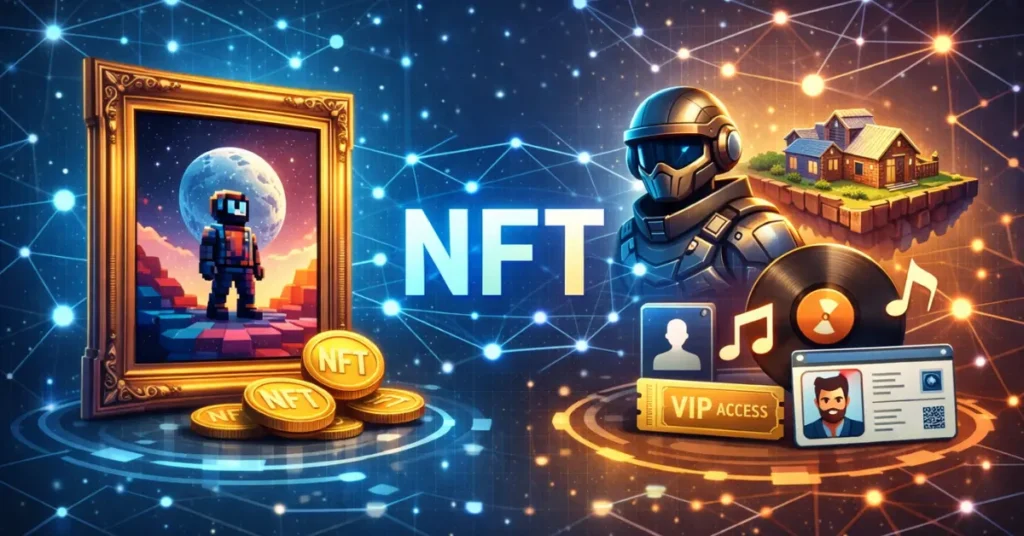
An NFT can represent:
- Digital art
- Music and videos
- In-game items
- Virtual land
- Collectibles
- Tickets and memberships
- Even real-world assets linked digitally
NFTs use smart contracts on the blockchain to verify ownership, authenticity, and transaction history. This creates transparency and trust without needing a central authority.
How NFTs Work on Blockchain Technology
NFTs are created through a process called minting, where a digital file is recorded on the blockchain as a unique token. The blockchain acts as a decentralized public ledger that stores data about the NFT, including:
- The creator’s wallet address
- The current owner
- Transaction history
- Metadata related to the digital asset
Because blockchain records are permanent and tamper-proof, NFTs provide strong proof of authenticity and ownership. This is one of the main reasons NFTs gained popularity in the Web3 ecosystem, where decentralization and user ownership are key ideas.
NFTs in Digital Art: Empowering Creators
One of the biggest use cases of NFTs started with digital art NFTs. Artists who struggled to monetize their digital work found new opportunities through NFT marketplaces like OpenSea, Rarible, and Foundation.
Benefits of NFTs for Artists
- Direct sales: Artists can sell directly to buyers without middlemen.
- Royalties: Creators can earn ongoing royalties each time their NFT is resold.
- Global reach: NFTs open access to a worldwide collector base.
- Proof of authenticity: Buyers can verify original ownership on the blockchain.
This has led to a new wave of NFT creators building personal brands and communities around their collections. Famous NFT art projects like CryptoPunks and Bored Ape Yacht Club showed how digital collectibles can become cultural icons.
Beyond Art: Real-World Utility of NFTs
While art brought NFTs into the spotlight, the real long-term value lies in NFT utility. Today, NFTs are being used in many practical and innovative ways.
1. NFTs in Gaming and Metaverse
In blockchain gaming, NFTs represent in-game assets such as characters, skins, weapons, and virtual land. Players truly own these assets and can trade or sell them outside the game.
- Play-to-earn games allow players to earn NFT rewards.
- Virtual worlds in the metaverse use NFTs to represent land ownership and digital identity.
- NFT-based gaming supports digital economies driven by users, not just game developers.
This model creates new income opportunities and reshapes the gaming industry by giving players real ownership.
2. NFTs for Memberships and Access
NFTs are increasingly used as membership passes or access tokens. Holding a specific NFT can unlock:
- Exclusive online communities
- Premium content
- Event tickets
- VIP access to brands or creators
This is popular among brands and influencers who want to build loyal communities. NFT memberships are programmable, meaning benefits can evolve over time.
3. NFTs in Music and Entertainment
Musicians and content creators are using NFTs to sell:
- Limited-edition music albums
- Concert tickets
- Fan collectibles
- Behind-the-scenes content
This helps creators reduce dependence on traditional platforms and connect directly with fans. NFTs in the music industry are changing how royalties, fan engagement, and digital ownership work.
4. NFTs for Identity and Certification
NFTs can represent digital identity, certificates, and credentials. For example:
- Educational certificates
- Professional licenses
- Event participation badges
- Proof of attendance (POAPs)
Because NFTs are verifiable and tamper-resistant, they can reduce fraud and improve trust in digital verification systems.
NFTs and the Future of Digital Ownership
At their core, NFTs redefine digital ownership. In the traditional internet (Web2), platforms control user data and digital content. In Web3, NFTs allow users to truly own and transfer digital assets without relying on centralized platforms.
This shift supports:
- Creator economy growth
- Decentralized marketplaces
- Peer-to-peer transactions
- Transparent digital commerce
As more industries adopt blockchain technology, NFTs are likely to play a key role in areas like real estate tokenization, intellectual property rights, and supply chain tracking.
Popular NFT Marketplaces and Platforms
To buy, sell, or trade NFTs, users rely on NFT marketplaces. Some popular platforms include:
- OpenSea – The largest NFT marketplace with a wide range of collections
- Blur – Popular among professional NFT traders
- Magic Eden – Strong presence on Solana blockchain
- Rarible – Community-focused NFT marketplace
These platforms connect creators, collectors, and investors in the growing NFT ecosystem.
Risks and Challenges of NFTs
While NFTs offer exciting opportunities, they also come with risks and challenges:
1. Market Volatility
NFT prices can be highly volatile. Some assets gain massive value, while others lose interest quickly.
2. Scams and Fake Projects
The NFT space has seen scams, fake collections, and phishing attacks. Users must research projects carefully before investing.
3. Environmental Concerns
Some blockchains consume significant energy, raising concerns about sustainability. However, many networks are moving toward eco-friendly blockchain solutions.
4. Regulatory Uncertainty
NFT regulations are still evolving in many countries. Legal clarity around taxation, ownership rights, and consumer protection is still developing.
How to Get Started with NFTs
If you’re new to NFTs, here’s a simple step-by-step guide:
- Create a crypto wallet (like MetaMask or Phantom)
- Choose a blockchain network (Ethereum, Polygon, Solana, etc.)
- Fund your wallet with cryptocurrency
- Explore NFT marketplaces
- Research projects before buying
- Store NFTs securely in your wallet
Beginners should start small, learn how NFT transactions work, and avoid hype-driven decisions.
Are NFTs Just a Trend or the Future?
NFTs went through a hype phase, but the underlying technology is here to stay. The focus is shifting from overpriced digital art to useful NFT applications in real-world scenarios. As blockchain adoption grows, NFTs are likely to become part of everyday digital interactions—whether through gaming, digital identity, brand loyalty programs, or virtual experiences.
The future of NFTs lies in utility-driven projects, strong communities, and meaningful use cases rather than speculation alone.
Final Thoughts
NFTs are more than just digital art collectibles. They represent a major shift in how we create, own, and exchange value online. From empowering artists and gamers to enabling digital identity and decentralized ownership, NFTs are unlocking new possibilities in the digital economy. While challenges remain, the continued development of blockchain technology and Web3 infrastructure suggests that NFTs will play a long-term role in shaping the future of the internet.
If you’re exploring NFTs today, focus on learning the fundamentals, understanding real-world utility, and staying informed about emerging trends. The NFT space is evolving fast—and those who understand it early will be better positioned for the digital future.
Also read: How to Earn Passive Income Through Staking and Yield Farming