

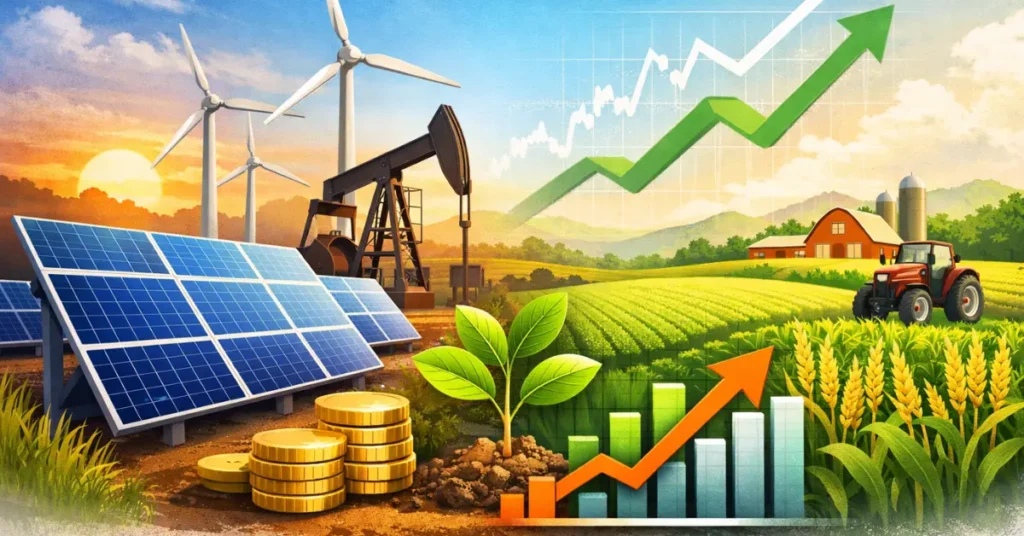
Energy and agricultural investments are among the most promising opportunities for investors in today’s rapidly changing financial world, offering both stability and growth. These often-overlooked sectors drive the global economy and provide unique ways to diversify portfolios. With fluctuating energy prices and rising demand for food and sustainable resources, understanding how to invest in these industries can help investors achieve long-term returns while contributing to global development.
Why Energy Investments Are Vital
The energy sector plays a critical role in every economy. From powering industries to fueling transportation, energy is the backbone of modern life. Investing in energy can include options like renewable energy stocks, oil and gas shares, energy ETFs, and even green energy startups.
Key Benefits of Energy Investments:
- High Demand: Energy consumption continues to rise globally, especially in developing countries.
- Inflation Hedge: Energy commodities, like oil and natural gas, often rise in value during inflationary periods.
- Sustainable Growth: Renewable energy, including solar and wind, offers long-term growth as the world moves toward greener solutions.
For example, investing in solar energy companies or ETFs allows investors to benefit from the global shift toward sustainability while diversifying away from traditional stocks and bonds.
Understanding Agricultural Investments
Agriculture remains one of the oldest and most reliable investment sectors. It encompasses everything from crop production and livestock to agri-tech companies and farmland. Agricultural investments are essential because they directly support the global food supply, which grows more critical as populations increase.
Types of Agricultural Investments:
- Farmland: Buying farmland can provide consistent returns through crop production or land value appreciation.
- Agricultural Commodities: Investors can trade commodities like wheat, corn, soybeans, and coffee through futures contracts or ETFs.
- Agri-Tech: Modern agriculture relies on technology for higher yields and efficiency. Investing in companies developing smart farming solutions can be highly profitable.
Agricultural investments are often considered recession-resistant because people always need food. This stability makes agriculture a strategic addition to any diversified portfolio.
How Energy and Agriculture Complement Each Other
Many investors overlook the connection between energy and agriculture. For example, the production of biofuels links energy and agriculture directly. Crops like corn and sugarcane are used to produce ethanol, a renewable energy source. Similarly, innovations in energy-efficient farming techniques can improve crop yields and reduce costs.
By understanding this synergy, investors can identify opportunities that benefit from trends in both sectors. For instance, a renewable energy company that partners with farms for biofuel production can offer growth potential that spans multiple industries.
Risk Factors and Considerations
While energy and agricultural investments offer exciting opportunities, they are not without risks.
Energy Investment Risks:
- Volatility: Oil and gas prices can fluctuate due to geopolitical tensions or supply-demand imbalances.
- Regulatory Changes: Governments may impose taxes or incentives that impact profitability.
- Technological Disruption: Renewable energy innovations can shift market dynamics rapidly.
Agricultural Investment Risks:
- Weather and Climate Change: Droughts, floods, and extreme temperatures can affect crop yields.
- Market Fluctuations: Commodity prices can be volatile, influenced by global supply and demand.
- Operational Challenges: Managing farmland or livestock requires expertise and resources.
Investors should always diversify their holdings across both sectors and consider using ETFs or mutual funds to spread risk while gaining exposure to these industries.
Tips for Investing in Energy and Agriculture
- Do Your Research: Study market trends, company performance, and global demand patterns.
- Focus on Diversification: Spread investments across multiple energy and agricultural assets to reduce risk.
- Consider Long-Term Potential: These sectors often provide long-term growth rather than quick profits.
- Stay Updated on Policies: Energy and agriculture are heavily influenced by government regulations. Staying informed can help investors anticipate changes.
- Use Technology and Analytics: Tools like market analysis platforms and predictive models can improve investment decisions.
Future Trends in Energy and Agriculture
The coming decade promises exciting developments in these sectors:
- Renewable Energy Expansion: Solar, wind, and biofuels are expected to dominate global energy production.
- Smart Farming Technologies: Drones, AI, and precision farming are transforming agriculture, increasing efficiency, and reducing waste.
- Sustainable Practices: ESG (Environmental, Social, Governance) investing is gaining traction, making sustainable energy and agriculture investments more attractive.
- Global Population Growth: Rising demand for food will continue to support agricultural investments.
Investors who align their portfolios with these trends can potentially enjoy strong returns while supporting sustainable development.
Conclusion
Energy and agricultural investments are more than just financial opportunities—they are gateways to participating in global development and sustainability. By understanding the dynamics of these industries, assessing risk, and leveraging emerging trends, investors can create diversified portfolios that balance growth and stability. Whether through renewable energy, farmland, or agricultural technology, these investments offer a unique chance to secure long-term wealth while contributing positively to the world.
Incorporating energy and agriculture into your investment strategy isn’t just smart—it’s essential for anyone looking to thrive in a complex, evolving economy. Start exploring these sectors today, and take a step toward a more secure and diversified financial future.
Also read: Inflation Protection: How Commodities Hedge Market Risks