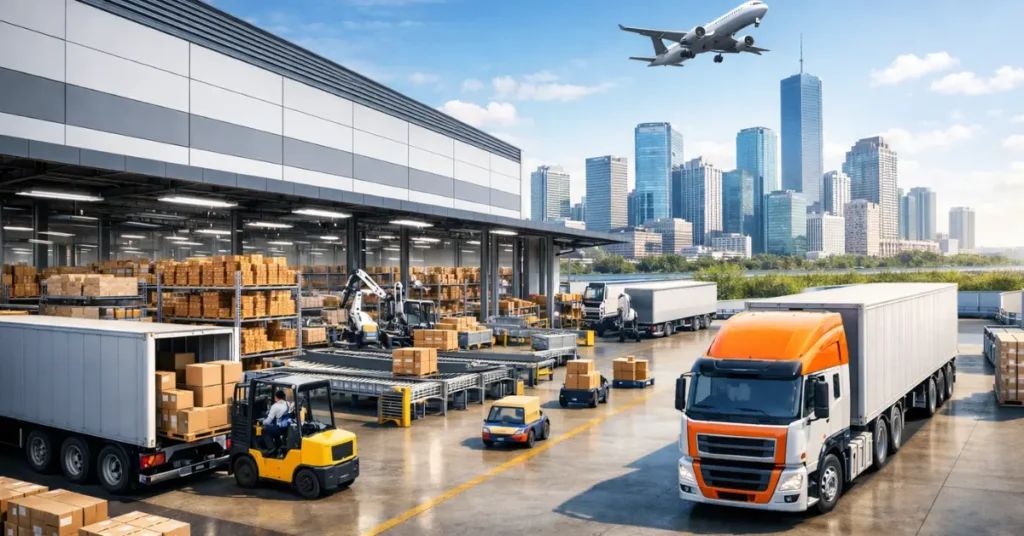
Industrial and Warehousing Investments have emerged as one of the most talked-about segments in real estate in today’s fast-changing economy, driven by the rapid growth of online shopping, fast delivery, and global trade. From massive logistics parks on city outskirts to modern warehouses serving e-commerce giants, this sector is no longer hidden behind factory walls. For investors, it offers a compelling combination of stability, long-term income, and growth potential. Whether you are a first-time investor or looking to diversify your portfolio, understanding industrial and warehousing investments can open doors to smart, future-ready opportunities.
In this blog, we’ll explore what industrial and warehousing investments are, why they matter, their benefits, risks, and how you can get started.
What Are Industrial and Warehousing Investments?
Industrial and warehousing investments refer to putting money into properties used for manufacturing, storage, distribution, and logistics activities. These properties are different from residential or commercial real estate because they focus on operations rather than living or office use.
Some common types include:
- Warehouses and Distribution Centers – Used to store goods before they reach retailers or customers
- Logistics Parks – Large areas with multiple warehouses and transport facilities
- Manufacturing Units – Factories and production facilities
- Cold Storage Facilities – Used for perishable goods like food and medicines
- Fulfillment Centers – Special warehouses for e-commerce operations
With the rise of e-commerce, 3PL (third-party logistics), and global supply chains, industrial and warehousing real estate has become a key pillar of modern infrastructure.
Why Industrial and Warehousing Investments Are Gaining Popularity
The demand for industrial and warehousing properties has grown rapidly in recent years. Here are some major reasons behind this trend:
1. Growth of E-commerce
Online shopping has changed how goods move from sellers to buyers. Companies like Amazon, Flipkart, and other e-commerce platforms need massive warehouse networks for quick delivery. This has boosted demand for modern warehousing spaces across cities and highways.
2. Expansion of Logistics and Supply Chain
India’s focus on improving logistics through initiatives like the National Logistics Policy and better road and rail connectivity has made warehousing investments more attractive. Faster and cheaper transport increases the value of well-located industrial properties.
3. Rise of “Make in India” and Manufacturing
Government programs promoting local manufacturing have encouraged companies to set up factories and industrial units. This has increased demand for industrial real estate across industrial corridors and special economic zones (SEZs).
4. Stable Rental Income
Compared to retail or office spaces, industrial and warehousing properties usually come with long-term leases. This means investors enjoy stable and predictable rental income.
Key Benefits of Industrial and Warehousing Investments
Let’s look at why many investors are now considering this asset class seriously.
1. High Demand and Low Vacancy
Warehousing spaces are always in demand, especially near major cities, ports, and highways. Once leased, these properties often remain occupied for long periods.
2. Long-Term Tenants
Tenants such as logistics companies, FMCG brands, and manufacturers usually sign long leases, sometimes for 5 to 15 years. This reduces the hassle of frequent tenant changes.
3. Lower Maintenance Costs
Unlike residential or commercial properties, industrial buildings are simple in structure. They don’t require fancy interiors or regular upgrades, which means lower maintenance expenses.
4. Attractive Returns
Industrial and warehousing investments can offer competitive rental yields and long-term capital appreciation, especially in growing logistics hubs.
5. Portfolio Diversification
Adding industrial real estate to your portfolio helps balance risks. When residential or office markets slow down, logistics and warehousing often remain strong due to constant demand for goods movement.
Important Factors to Consider Before Investing
While industrial and warehousing investments are promising, smart investors always do proper research. Here are some key points to consider:
1. Location Matters the Most
The success of an industrial property depends heavily on its location. Look for areas near:
- Highways and expressways
- Ports and airports
- Major cities and consumption centers
- Industrial corridors and SEZs
Good connectivity reduces transportation costs and increases demand.
2. Infrastructure and Connectivity
Check the availability of power, water, drainage, internet connectivity, and road access. A warehouse without proper infrastructure can be difficult to lease.
3. Tenant Profile
Always evaluate who the tenant is. A reputed logistics company or large manufacturer offers more security than a small, unknown firm.
4. Legal and Zoning Clearances
Industrial properties must comply with local zoning laws, environmental regulations, and safety norms. Ensure all approvals are in place before investing.
5. Type of Warehouse
Modern warehouses today require features like high ceilings, wide column spacing, fire safety systems, and loading docks. Old or poorly designed warehouses may struggle to attract quality tenants.
Types of Industrial and Warehousing Investments
There are different ways to invest in this sector, depending on your budget and goals.
1. Direct Property Investment
Here, you buy a warehouse or industrial unit and lease it to a tenant. This option offers full control but requires higher capital and management effort.
2. Real Estate Investment Trusts (REITs)
REITs allow you to invest in industrial and logistics properties without owning them directly. You can start with a smaller amount and enjoy regular income and liquidity.
3. Co-Investment Platforms
Some platforms allow multiple investors to pool money and invest in large industrial assets. This reduces individual risk and entry cost.
4. Industrial Plots and Development
Buying industrial land and developing warehouses can offer higher returns but comes with higher risk and longer timelines.
Risks Involved in Industrial and Warehousing Investments
No investment is without risks. Being aware of them helps you prepare better.
1. Economic Slowdown
If manufacturing or trade slows down, demand for industrial spaces may reduce temporarily.
2. Tenant Dependence
If a large tenant leaves, it may take time to find a replacement, especially in less popular locations.
3. Regulatory Changes
Changes in zoning laws, environmental rules, or tax policies can affect returns.
4. Obsolescence Risk
Warehousing standards are evolving. Older warehouses may become outdated if they do not meet modern requirements.
Future Outlook of Industrial and Warehousing Sector
The future of industrial and warehousing investments looks strong, especially in countries like India. Here’s why:
- Rapid urbanization and consumption growth will increase the need for faster goods movement
- E-commerce and quick commerce will demand more fulfillment centers
- Government focus on infrastructure and logistics will improve connectivity
- Foreign investments are flowing into logistics and industrial real estate
- Automation and smart warehouses will create demand for modern facilities
With all these factors, industrial and warehousing real estate is expected to remain one of the fastest-growing segments in the property market.
How Beginners Can Start Investing
If you are new to this sector, here are some simple steps:
- Study the market – Learn about major logistics hubs and industrial zones
- Decide your budget – Choose between direct investment, REITs, or co-investment
- Consult experts – Real estate advisors and legal professionals can guide you
- Start small – Begin with safer and well-located assets
- Think long-term – Industrial and warehousing investments work best over time
Final Thoughts
Understanding industrial and warehousing investments is no longer optional for serious real estate investors—it is becoming essential. As the backbone of modern trade and commerce, this sector offers a unique blend of stability, growth, and income potential. With the right location, strong tenants, and a long-term approach, industrial and warehousing real estate can become a powerful addition to your investment portfolio.
If you are looking for a real estate segment that aligns with future economic growth and changing consumer behavior, industrial and warehousing investments deserve your attention.
By making informed choices today, you can build a strong foundation for wealth tomorrow.
Also read: The Future of Commercial Real Estate in the Post-COVID Era