

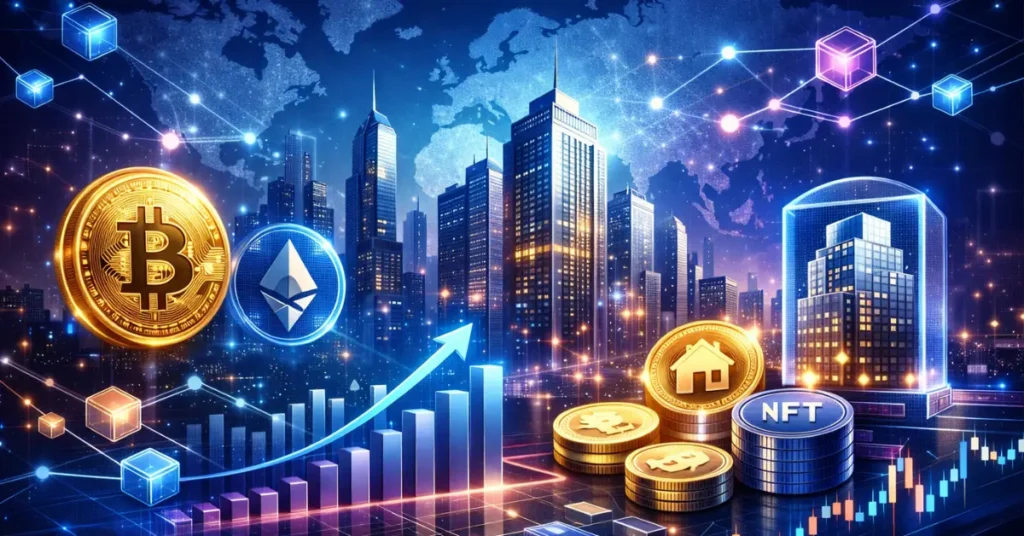
Tokenization and digital assets are transforming the way we understand wealth. For centuries, wealth was tied to physical assets like land, gold, real estate, or cash held in banks. Today, technology is rapidly rewriting these rules. Digital innovation, particularly blockchain technology, has introduced new methods to create, store, and transfer value. Concepts like tokenization and digital assets are no longer just technical jargon—they are becoming central to the global financial conversation. Grasping this shift is crucial, as it could shape how individuals, businesses, and governments manage wealth in the decades ahead.
What Are Digital Assets?
Digital assets are any assets that exist in digital form and hold value. These include cryptocurrencies like Bitcoin and Ethereum, stablecoins, non-fungible tokens (NFTs), and tokenized versions of real-world assets. Unlike traditional assets, digital assets rely on blockchain technology, which provides transparency, security, and decentralization.
Blockchain acts as a shared digital ledger where transactions are recorded permanently and cannot be easily altered. This technology reduces the need for intermediaries such as banks or brokers, making transactions faster and often more cost-effective.
Digital assets are gaining popularity because they offer global access, high liquidity, and innovative investment opportunities. Anyone with an internet connection can participate, which opens doors for financial inclusion on a massive scale.
Understanding Tokenization
Tokenization is the process of converting real-world assets into digital tokens on a blockchain. These tokens represent ownership or rights to a specific asset. The asset can be anything—real estate, stocks, bonds, art, commodities, intellectual property, or even future revenue streams.
For example, a commercial property can be tokenized into thousands of digital tokens. Investors can buy a small portion of the property instead of purchasing the entire building. This makes traditionally expensive investments more accessible to everyday investors.
Tokenization improves liquidity, transparency, and efficiency. Assets that were once hard to trade can now be bought and sold easily on digital platforms, often 24/7.
Why Tokenization Is Transforming Wealth
Tokenization is reshaping wealth creation and management in several powerful ways.
Fractional Ownership
One of the biggest advantages of tokenization is fractional ownership. High-value assets like real estate or fine art are no longer limited to wealthy investors. Tokenization allows multiple people to own small portions of the same asset, lowering entry barriers and spreading risk.
Increased Liquidity
Traditional assets can take weeks or months to sell. Tokenized assets can be traded instantly on digital marketplaces. This increased liquidity makes wealth more flexible and responsive to market conditions.
Transparency and Security
Blockchain records every transaction publicly and securely. This reduces fraud, increases trust, and makes asset ownership easier to verify. Smart contracts automate processes such as dividend distribution or royalty payments, reducing human error and administrative costs.
Global Access
Tokenized assets are not limited by borders. Investors from different countries can participate in the same opportunities without complex paperwork or currency conversion issues. This global reach creates a more inclusive financial ecosystem.
Types of Tokenized Assets
Tokenization is not limited to one sector. It is expanding across multiple industries.
Tokenized Real Estate
Real estate tokenization allows investors to own digital shares of residential or commercial properties. Investors can earn rental income and benefit from property appreciation without managing the property directly.
Tokenized Securities
Stocks, bonds, and funds can be tokenized to enable faster settlement times and lower transaction costs. Tokenized securities are often referred to as security tokens and are regulated in many jurisdictions.
Tokenized Commodities
Gold, silver, oil, and other commodities can be represented as digital tokens. These tokens are backed by physical reserves and offer a modern alternative to traditional commodity trading.
NFTs and Intellectual Property
Non-fungible tokens are unique digital assets often used for art, music, gaming items, and digital collectibles. Beyond art, NFTs are being explored for intellectual property rights, licensing, and royalties.
The Role of Cryptocurrencies in Digital Wealth
Cryptocurrencies are a key pillar of digital assets. Bitcoin is often described as digital gold because of its limited supply and store-of-value characteristics. Ethereum and other blockchain platforms enable decentralized applications, smart contracts, and token creation.
Stablecoins, which are pegged to fiat currencies, play a crucial role in reducing volatility and facilitating everyday transactions. They are widely used in decentralized finance (DeFi) platforms for lending, borrowing, and trading.
As adoption grows, cryptocurrencies are becoming part of diversified investment portfolios, alongside traditional assets.
Decentralized Finance and the Future of Investing
Decentralized finance is a blockchain-based financial system that operates without traditional intermediaries. DeFi platforms allow users to lend, borrow, trade, and earn interest using digital assets.
DeFi supports tokenized assets by providing liquidity pools, decentralized exchanges, and automated financial services. This ecosystem empowers users with greater control over their wealth and reduces reliance on centralized institutions.
The combination of tokenization and DeFi is creating new models of wealth generation that are more open, transparent, and programmable.
Challenges and Risks to Consider
While the future of digital assets looks promising, there are challenges that cannot be ignored.
Regulatory Uncertainty
Different countries have different rules for digital assets and tokenization. Regulatory clarity is still evolving, and changes in laws can impact investors and businesses.
Market Volatility
Cryptocurrencies and tokenized assets can experience high price fluctuations. Investors need to understand the risks and avoid unrealistic expectations.
Security Concerns
Although blockchain is secure, digital wallets and platforms can be vulnerable to hacking if not properly managed. Education and best practices are essential.
Technology Adoption
Widespread adoption depends on user-friendly platforms, reliable infrastructure, and public trust. As technology matures, these barriers are gradually being reduced.
How Tokenization Impacts Businesses and Institutions
Tokenization is not just for individual investors. Businesses and financial institutions are exploring tokenization to improve efficiency and unlock new value.
Companies can tokenize assets to raise capital more easily, reduce costs, and reach global investors. Banks are experimenting with tokenized deposits, digital bonds, and blockchain-based settlement systems.
Governments are also exploring digital currencies and blockchain-based asset registries to improve transparency and efficiency in public finance.
The Long-Term Vision of Digital Wealth
The future of wealth is likely to be hybrid, combining traditional finance with digital innovation. Tokenization and digital assets will coexist with banks, stock markets, and real estate, rather than completely replacing them.
As trust grows and regulations become clearer, tokenized assets may become as common as shares or mutual funds. Wealth management could become more personalized, automated, and accessible to people across income levels.
Digital identity, smart contracts, and interoperable blockchains will further enhance how assets are created, transferred, and managed.
Final Thoughts
Tokenization and digital assets are not just technological trends—they represent a fundamental shift in how wealth is defined and distributed. By making assets more accessible, liquid, and transparent, they are opening new opportunities for investors and businesses worldwide.
While challenges remain, the direction is clear. The future of wealth will be digital, decentralized, and driven by innovation. Those who take the time to understand tokenization and digital assets today will be better prepared to navigate and benefit from the financial systems of tomorrow.
Also read: How Technology Is Democratizing Alternative Investing